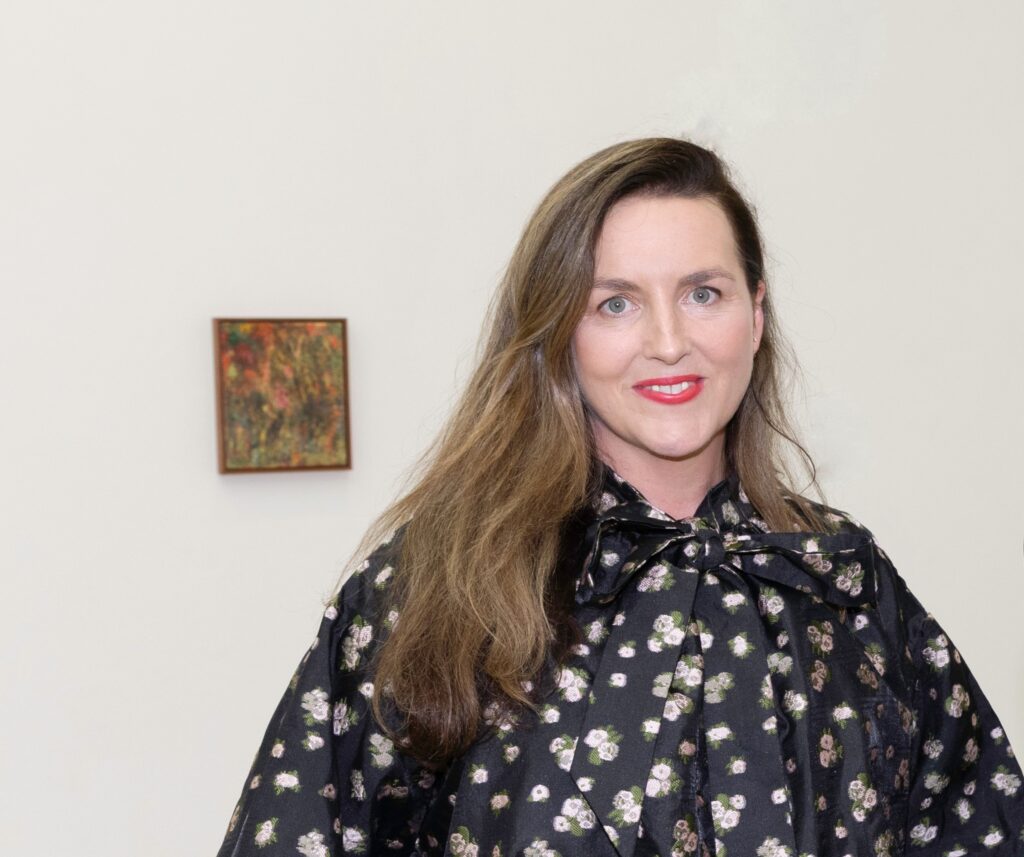
We are delighted to be working with Hannah Payne, our current TM Gallery programme curator who is also co-curator of Poet of the People alongside co-curator Ruth Millington. Her thoughtful approach has helped shape this ambitious exhibition celebrating the life, words and legacy of Benjamin Zephaniah.
Having previously worked with George Triggs on his first solo exhibition at TM Gallery in 2019, Hannah has returned to help bring this monumental new work to life – combining sculpture, poetry, film and conversation to create a deeply considered portrait of Zephaniah.
In her interview, Hannah shares the news of the TM Gallery cultural partnership with Birmingham City University, which she and Ruth have been steering, connecting the exhibition to Benjamin’s Birmingham roots and the University’s ongoing commitment to his legacy. We are hugely excited about the potential for this extraordinary sculpture to continue its journey into an educational and public setting in Birmingham.
She also reflects on George’s connection to Benjamin’s poetry, the importance of public sculpture and the ambition for the work to reach new generations.
“Benjamin Zephaniah is his words.”
Hannah Payne – Curator Spotlight
Co-curator, Poet of the People | Independent Curator and Gallerist
In conversation with TM Lighting
1. How did you come to be involved with the work of George Triggs and this exhibition?
Having worked with George on his first solo exhibition at TM Gallery, Between Love and Fear, in 2019, it has been a pleasure to return for this second exhibition and such an ambitious new work.
George’s decision to create a portrait of Benjamin Zephaniah wasn’t simply about portraying a celebrated public figure; it grew from a very personal connection with Benjamin’s words and values. As someone who is dyslexic, George found a deeper love of poetry through Benjamin, particularly People Need People, which became important to him during the isolation of Covid.
2. Birmingham City University is now an official institutional partner to Poet of the People. What does that partnership bring to the exhibition, and why was it important to you to involve an institution within the project?
From quite early on, we were thinking beyond the exhibition and about the longer-term life of this extraordinary sculpture. Benjamin was born and raised in Birmingham, and George’s own hope is ultimately for the work to find a home there – somewhere educational, accessible and open to everyone.
Birmingham City University already has a meaningful commitment to Benjamin’s legacy, including the Benjamin Zephaniah Building on campus and educational initiatives introducing his work to new generations. Our ambition is ultimately to see the sculpture placed in Birmingham, ideally at the University. Public sculpture has a wonderful ability to take art beyond the gallery and make it part of people’s everyday lives.
3. The exhibition explores Benjamin Zephaniah’s legacy across art, poetry, education and public life. How has working with Birmingham City University helped to broaden or deepen the conversations around his work?
Birmingham City University has helped us think more expansively about legacy and how Benjamin’s work can continue to reach new generations. He wasn’t only an extraordinary poet and performer, but an educator and activist who believed deeply in young people, creativity and the ability of words to effect change.
There is something very powerful about a sculpture moving from an exhibition into an educational setting, where it can continue to prompt conversation, curiosity and discovery. George has always wanted the sculpture to introduce people to Benjamin and his words, rather than simply commemorate his likeness, and I think that is where the relationship with Birmingham City University becomes particularly exciting.
4. As a curator, how do you approach bringing together an artist’s work with the voice and legacy of the person being portrayed, particularly when that person has such a powerful and recognisable cultural identity as Benjamin Zephaniah?
For me, the first responsibility is to the artist and the integrity of the work. George spent years thinking about Benjamin – studying hundreds of photographs, engaging deeply with his writing and working in dialogue with his family – so our role has been to understand that intention and build sensitively around it.
That feels especially important when creating a legacy portrait of someone so loved and recently lost. It has been a delight to co-curate with Ruth Millington and bring our different perspectives to the project. Benjamin’s own voice runs throughout the exhibition, most literally through People Need People, physically incorporated into the sculpture. As George put it beautifully when I interviewed him: “Benjamin Zephaniah is his words.”
5. Can you tell us more about the poetry, film and wider programme of events incorporated into the exhibition, and how these elements help to bring Benjamin Zephaniah’s work and legacy to life for audiences?
The wider programme has grown very deliberately from George’s sculpture and his relationship with Benjamin’s work. George was closely involved in selecting the poetry: People Need People speaks with wonderful simplicity about human connection and our need for one another, while Dis Poetry captures Benjamin’s democratic, immediate approach to poetry and his ability to reach audiences far beyond conventional literary spaces.
We’ve also created a reading table with a selection of Benjamin’s books, from his autobiography The Life and Rhymes, to children’s books including Talking Turkeys and People Need People, inviting visitors and families to spend time with his words for themselves. George describes The Life and Rhymes as having had a profound impact on him personally.
The accompanying film offers an intimate insight into the making of the sculpture, alongside moving responses from members of Benjamin’s family. On 7 September we bring these strands together through a panel discussion and poetry readings, including Birmingham-based poet Casey Bailey, and we’re thrilled to have the support of Benjamin’s publishers, Penguin Books and Bloodaxe Books.
6. Finally, in your dual role as co-curator of this exhibition and Programme Curator at TM Gallery, can you share why not-for-profit spaces such as TM Gallery are important to the gallery landscape, and how they can create opportunities for audiences to discover and engage with artists such as George Triggs?
Different gallery models all have an important role to play in supporting artists and connecting their work with audiences. Spaces such as TM Gallery can offer the opportunity to develop focused projects around an artist or body of work. It has been wonderful to see George return seven years after Between Love and Fear with such an ambitious sculpture, and to help introduce this new work to a wider audience.