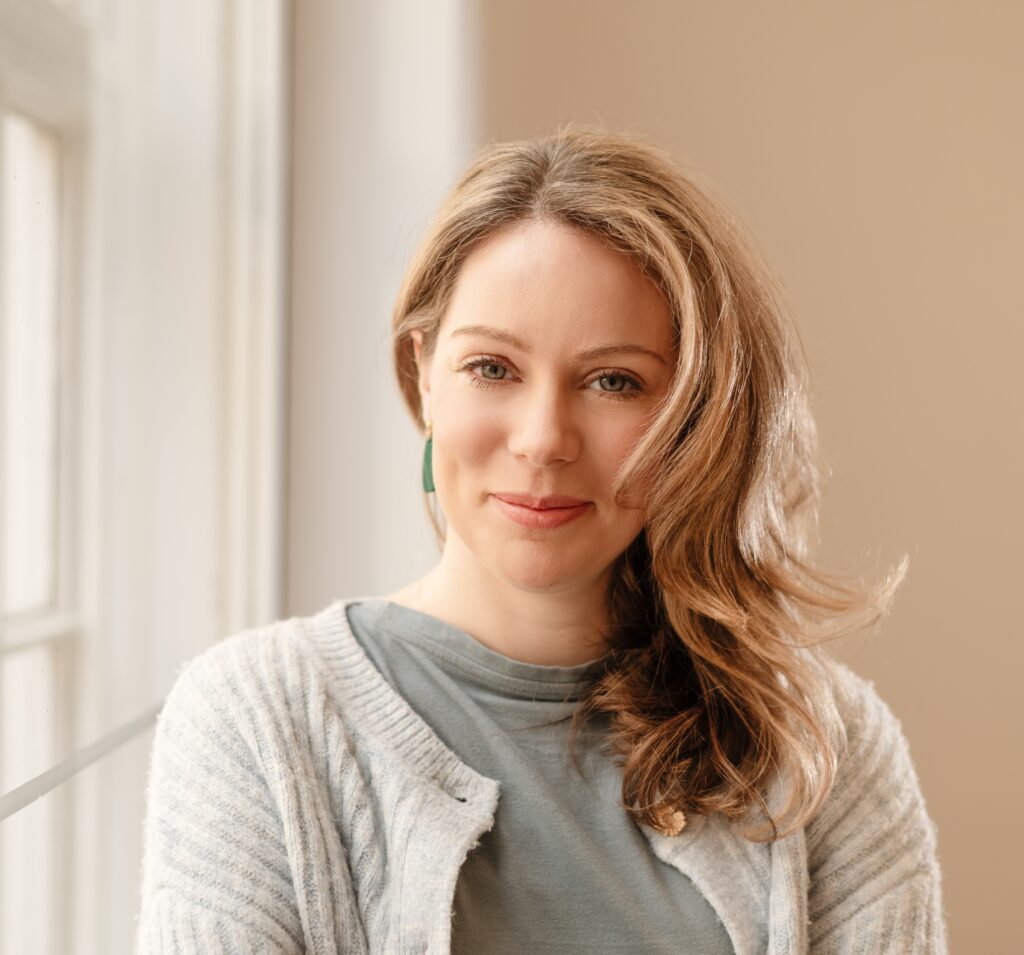
We are so pleased to be working with the illustrious art historian, writer, broadcaster and curator, Ruth Millington, whose expertise and thoughtful perspective have been invaluable in shaping Poet of the People.
As a Birmingham-based art historian and writer, Ruth brings a particularly meaningful connection to Benjamin Zephaniah’s story – exploring not only his extraordinary public legacy as a poet, activist, actor and professor, but the warmth, humanity and values that defined him as a person.
Ruth’s curatorial approach has helped us consider how George Triggs’ monumental sculpture can bring Zephaniah into physical space, surrounded by his own words and inviting audiences to pause, reflect and remember.
We were especially pleased to hear Ruth reflect on the role of lighting in shaping that encounter- drawing attention to the depth, texture and character of this remarkable sculpture while creating a moment of quiet reflection.
“If anyone deserves a monument, it’s Benjamin Zephaniah.”
Ruth Millington, Curator Spotlight
Co-curator, Poet of the People | Art historian, writer, broadcaster and curator
In conversation with TM Lighting
1. You have returned to Benjamin Zephaniah’s life and work through your curatorial practice. What is it about Zephaniah’s voice and legacy that continues to resonate with you, and what drew you to this project?
As a Birmingham-based art historian and writer, I have seen just how much Zephaniah has meant to people living in the Second City, and beyond. Locally, everyone seems to have a story or memory of this remarkable man who brought poetry to life, bringing it off the traditional page and into radical life, giving ordinary people a voice. Following his death in 2023, I have felt it’s been so important to honour him; and, as a curator, exhibitions are my medium to do that.
Working on this project, it’s been crucial to combine the many layers of Zephaniah – a poet, activist, actor, professor and public persona, who was also a thoughtful, warm and creative son, brother and husband, through art and his own powerful words.
2.George Triggs’ sculpture is monumental in both scale and ambition. What do you think sculpture can reveal about a person that poetry, photographs or other forms of portraiture cannot?
George Triggs’ sculpture does what no single photograph can; monumental in both scale and ambition, it invites viewers to connect with the poet, meeting him in physical space. The artist worked with dozens of photographic images, combining them into one body, which offers people not a single view but an experience of Zephaniah. I particularly love the way in which he has carved words from ‘People need people’ into the figure, proving that Zephaniah will always be his words, living on through them.
3. The exhibition brings together sculpture, poetry, film and public conversation. What do you hope visitors take away from encountering Benjamin Zephaniah in this way, particularly those who may be discovering his work for the first time?
I hope this exhibition invites people to see Zephaniah as a real man who was grounded in values of compassion and kindness, which are shared by the sculptor George Triggs. His sculpture is humanising while still celebrating him as a major force in British history whose words touched so many people. He was a wonder, and I’d love visitors to experience that feeling in his sculptural presence, surrounded by his words.
4. This is such a magnificent piece of sculpture, and its scale and presence really demand to be experienced in the space. How important has lighting been in bringing out the character of the work and shaping how we encounter Zephaniah?
Benjamin Zephaniah was a great performer and, on stage, captivated audiences under the lights. It was crucial that lighting brought that element of drama to the exhibition, while drawing viewers’ attention to the depth, texture and character of this exquisitely crafted sculpture, which captures the man who inspired it. I also hope that the spotlight on Zephaniah encourages people to reflect quietly on his life and work, bringing all of us together in his memory. If anyone deserves a monument, it’s Benjamin Zephaniah.