Our mission has always been to celebrate the transformative power of light. For over a decade, we’ve brought world-class lighting solutions to some of the most prestigious artworks and curatorial projects around the world. But our commitment goes beyond illumination—through our not-for-profit exhibition space, TM Gallery, we’ve cultivated a dynamic programme of contemporary art exhibitions, talks, and events. This space serves as a vital platform for mid-career artists, presented in collaboration with leading galleries and curators.
Our new Spotlight series offers a glimpse into the minds of the artists and curators—sharing the ideas, processes, and inspirations that shape their work and decisions.
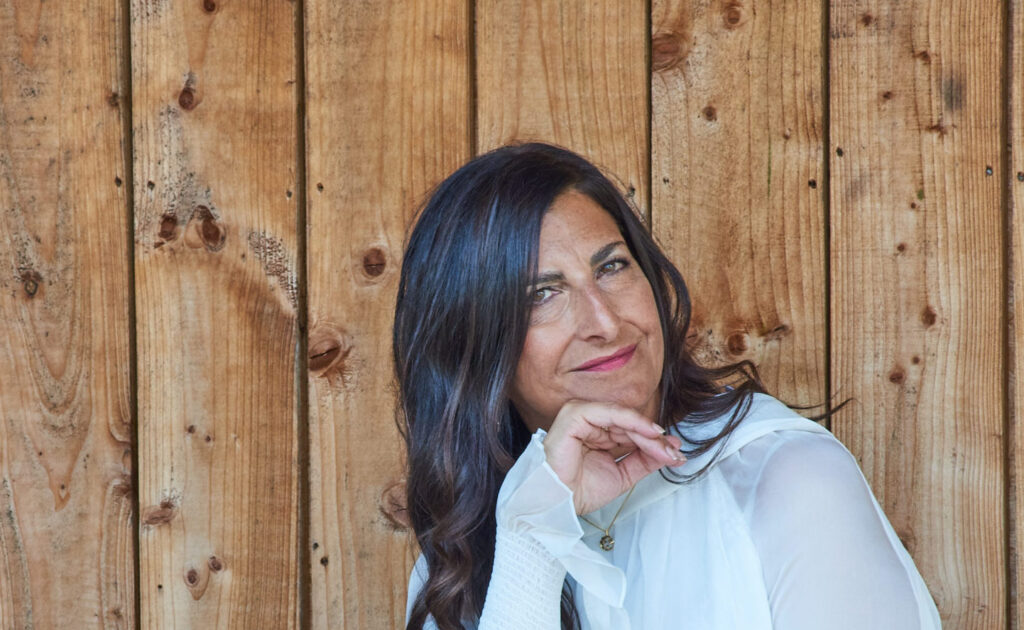
“Terraforming Futures landed for me because it’s slightly uncomfortable and I like that. It holds both guilt and hope in the same breath.”, says Freeny Yianni, guest judge and curator of the Gilbert Bayes Award Winners 2025 Exhibition at TM Gallery on view now.
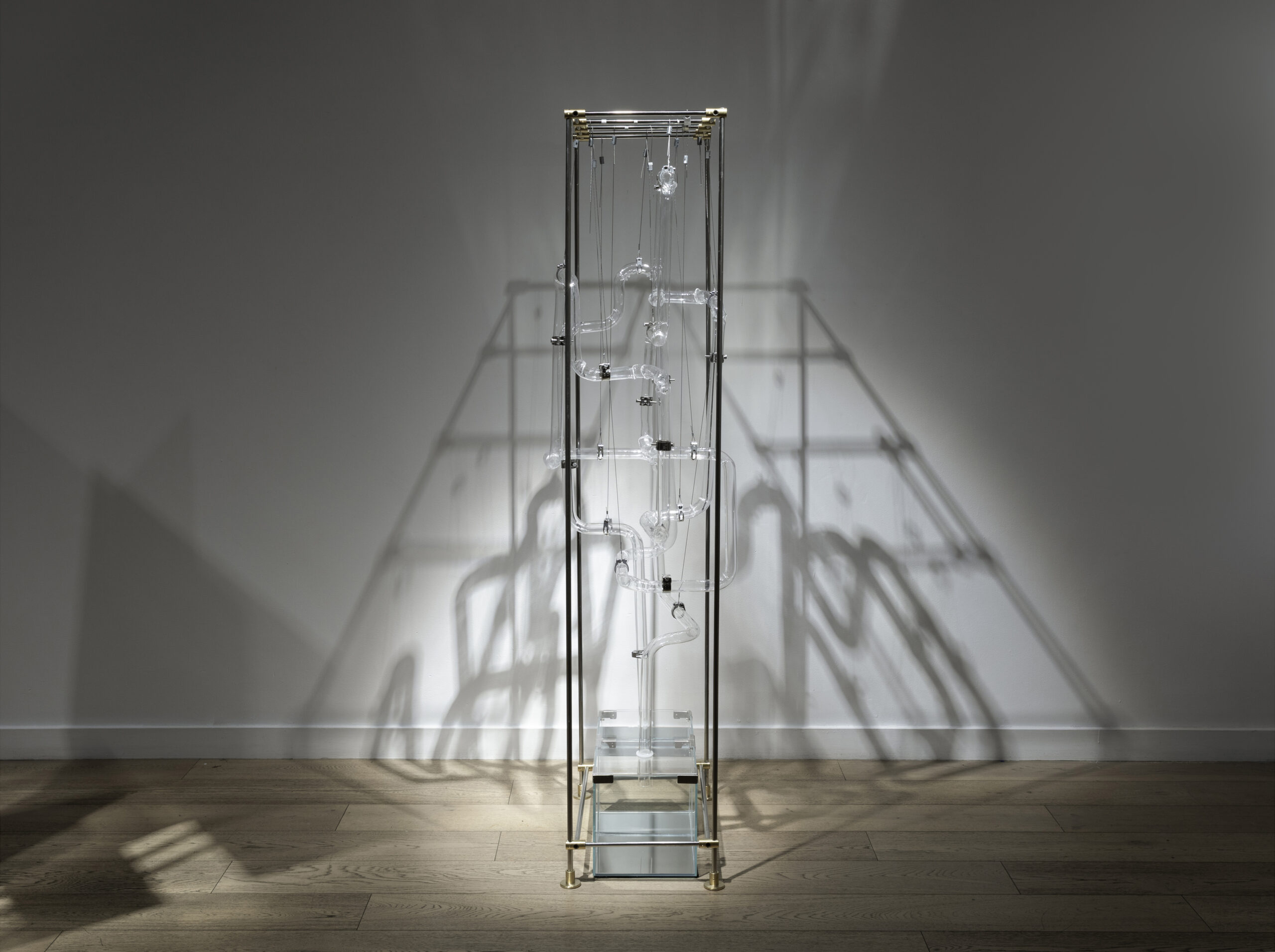
On view until the beginning of March, we are excited to welcome the Royal Society of Sculptors to the TM Gallery for a new exhibition showcasing the 2025 winners of the annual Gilbert Bayes Award. The exhibition features ten sculptures by ten selected artists; Amanda Cornish, Beverley Duckworth, Bo-Yi Wu, Emmanuel Awuni, Lucy Mulholland, Madeleine Ruggi, Regan Boyce, Salvatore Pioni, Stephen Burke and Yidan Kim. Lighting the three dimensional artworks in our tall, industrial, gallery space really allowed us to bring the sculptures to life – playing with shadow, emphasising texture and drawing out reflections and patterns in the variety of materials used. The works are all different in their own right but together there is a beautiful rhythm and natural balance to the show.
Below, in the next in our Spotlight series of interviews, we offer a glimpse into the mind of Freeny Yianni – sharing the ideas, processes, and inspirations that shape her work as a curator.
With thanks to our programme curator, Hannah Payne, for this interview.
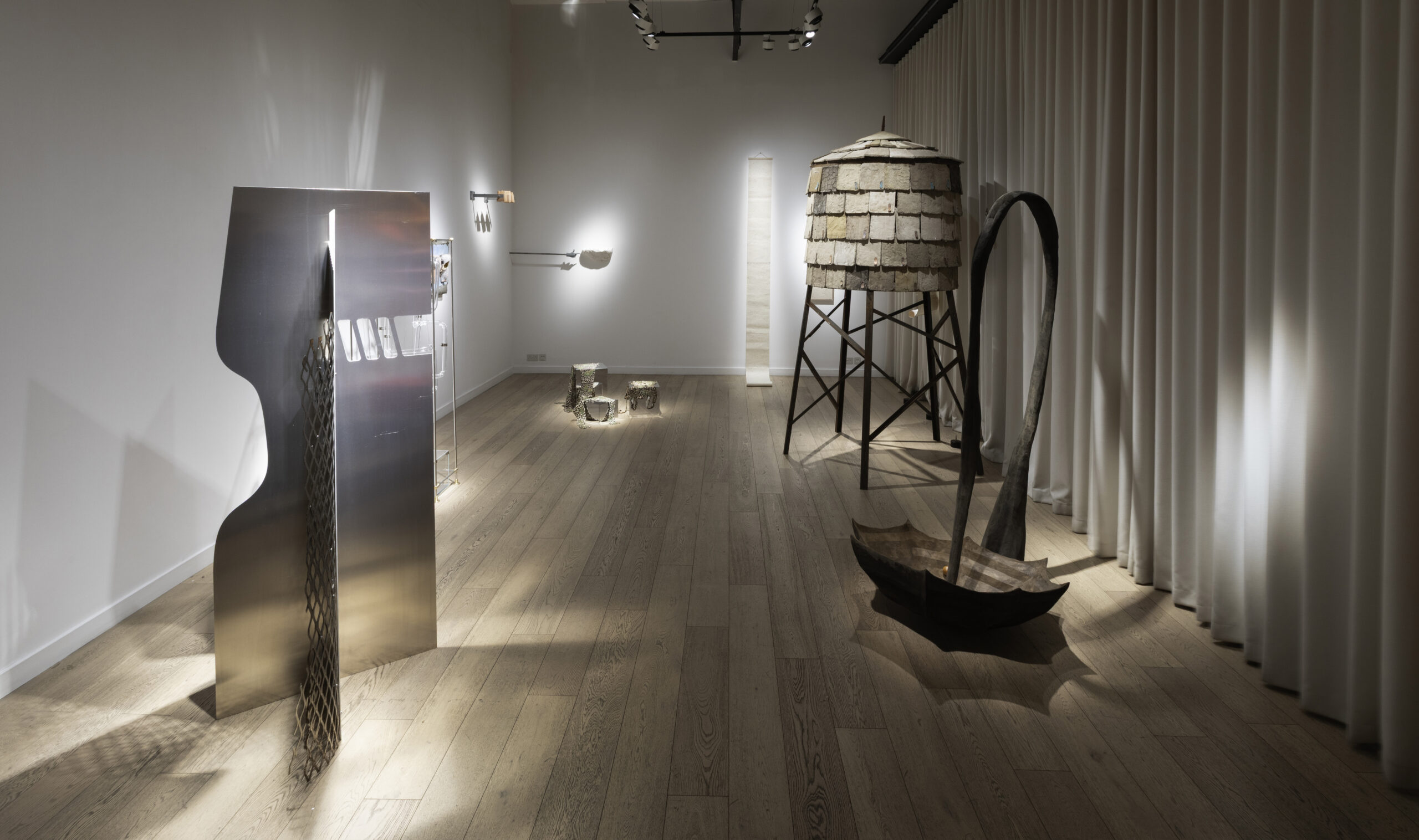
Gilbert Bayes Award Winners 2025 |Terraforming Futures | Sculpture Sustainability and the Shifting Balance of Nature runs until 11 March 2026 at TM Gallery, TM Lighting, 7 Cubitt Street, London WC1X 0LN.
1. “Terraforming Futures” is a powerful phrase that suggests both damage and the possibility of change. What drew you to this theme for the Gilbert Bayes Award this year, and how did it help you bring together such a wide range of sculptural approaches, from working directly with natural materials to responding to cities, systems, and imagined futures?
Terraforming Futures landed for me because it’s slightly uncomfortable and I like that. It holds both guilt and hope in the same breath. Terraforming is something humans have already been doing, whether we meant to or not, and often without asking permission. But the word futures cracks it open again: it suggests that things are still malleable, still up for re‑imagining.
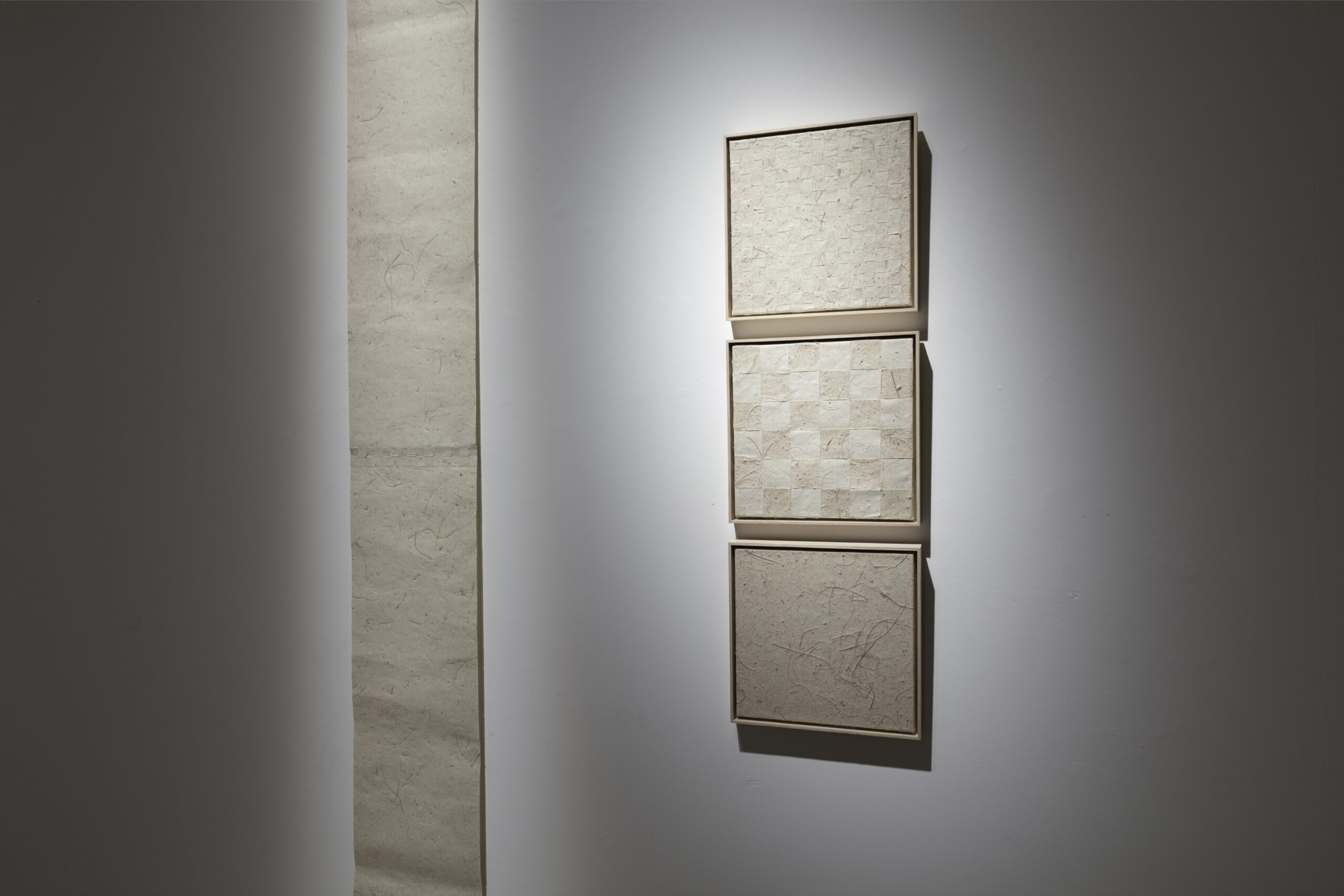
What excited me was how elastic the theme could be. It allowed artists to work directly with the earth slicing into it, growing through it, reprocessing it while others zoomed out to look at cities, invasive systems, or speculative ecologies. Amanda Cornish’s Stratum quite literally lets us walk around layered time, while Bo‑Yi Wu’s knotweed paper transforms something disruptive into something fragile and poetic. The theme became less about a single future, and more about many overlapping ones messy, partial, contradictory. Which feels… accurate.
2. Many of the works in the exhibition feel deeply connected to how they are made slow processes, reuse, cultivation, or deliberate material tension. Why do material choice and process feel so urgent right now, and how do artists in the exhibition use materials to speak about care, repair, or responsibility?
Material choice feels urgent right now because materials are never neutral anymore if they ever were. We know too much. We know where things come from, how they circulate, and what they leave behind. Process becomes a form of ethics.
What I love in this exhibition is how artists let materials do the talking. Beverley Duckworth growing seedlings through fast‑fashion garments is such a quiet but devastating gesture care literally pushing against disposability. Bo‑Yi Wu’s work with invasive plants is about transformation rather than erasure, while Madeleine Ruggi’s use of trade and industrial materials exposes the friction between global systems and human labour. These works don’t shout solutions; they practice attentiveness. And sometimes that’s the most radical thing.
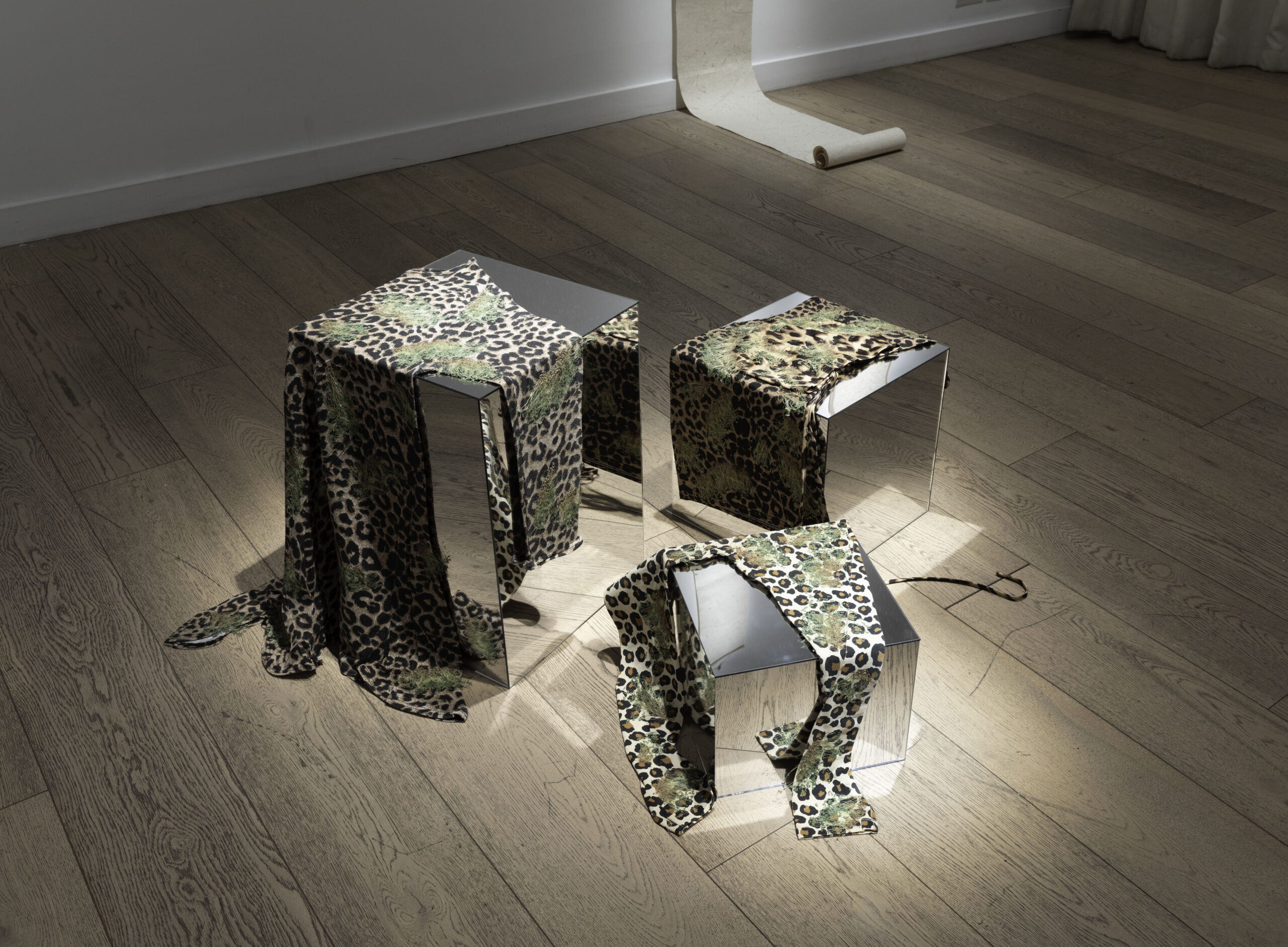
3. Several artists respond not just to nature, but to the systems we build around it: cities, infrastructure, museums, trade routes, and consumer culture. How do the works in Terraforming Futures explore the relationship between natural systems and human‑made structures, and what kinds of questions do they raise about how we live today?
A lot of the works ask: what have we built, and what have we forgotten to account for? Cities, museums, and trade routes are often presented as stable, rational systems, but the artists here treat them as porous, vulnerable, and entangled with nature whether they like it or not. Stephen Burke’s work slips into the urban environment almost like a quiet intervention, while Regan Boyce’s sculptural constructions feel like speculative models of worlds that might already be collapsing under consumer logic. Ruggi’s focus on global trade infrastructures reminds us that even the most abstract systems are material they extract, transport, accumulate. Together, the works ask how we might live differently if we acknowledged those entanglements rather than pretending we’re separate from them.
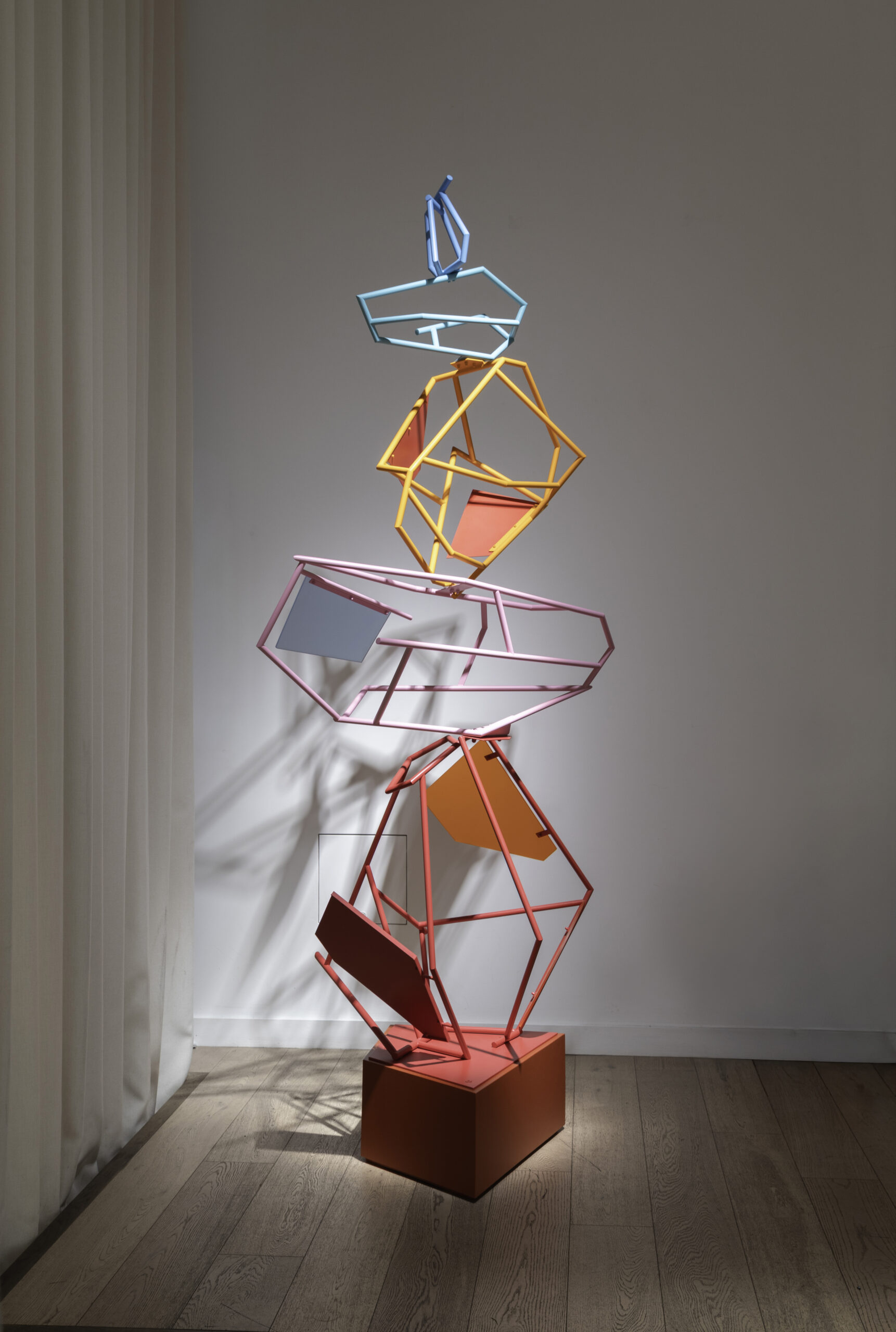
4. Rather than presenting polished solutions, many works embrace instability, fragility, or even failure. How important was it for you to include works that acknowledge uncertainty or material breakdown, and how do these ideas shape the exhibition’s vision of the future?
Uncertainty felt essential. I wasn’t interested in a future that arrived neatly packaged. Fragility, instability, and even failure feel far more honest and far more human. Both Salvatore Pioni’s themes on the camp, grotesque theatricality and remembrance which echoes a false reality and Emmanuel Awuni’s Sun with a migraine both capture this beautifully: the tension between materials never quite resolves, and that discomfort is the point. Duckworth’s works hover between preservation and collapse, reminding us that care doesn’t guarantee permanence. These pieces resist the fantasy of control. Instead, they suggest futures that are negotiated, provisional, and dare I say slightly anxious. Which, again, feels about right.
5. If question three is about systems, this one is about consequences. How do the works in Terraforming Futures show the impact of human‑made structures on natural systems, and what questions do they raise about responsibility and scale?
The works in Terraforming Futures show how human‑made structures don’t just sit on top of nature they actively reshape it, often in ways we only notice too late. Burke’s urban gestures, Boyce’s biosphere‑inspired constructions, and Ruggi’s investigations into trade all ask what happens when systems designed for efficiency collide with living ecologies. They raise questions about scale, responsibility, and speed: who benefits, who bears the cost, and how quickly things spiral out of balance. The exhibition doesn’t moralise, but it definitely side‑eyes us a little.
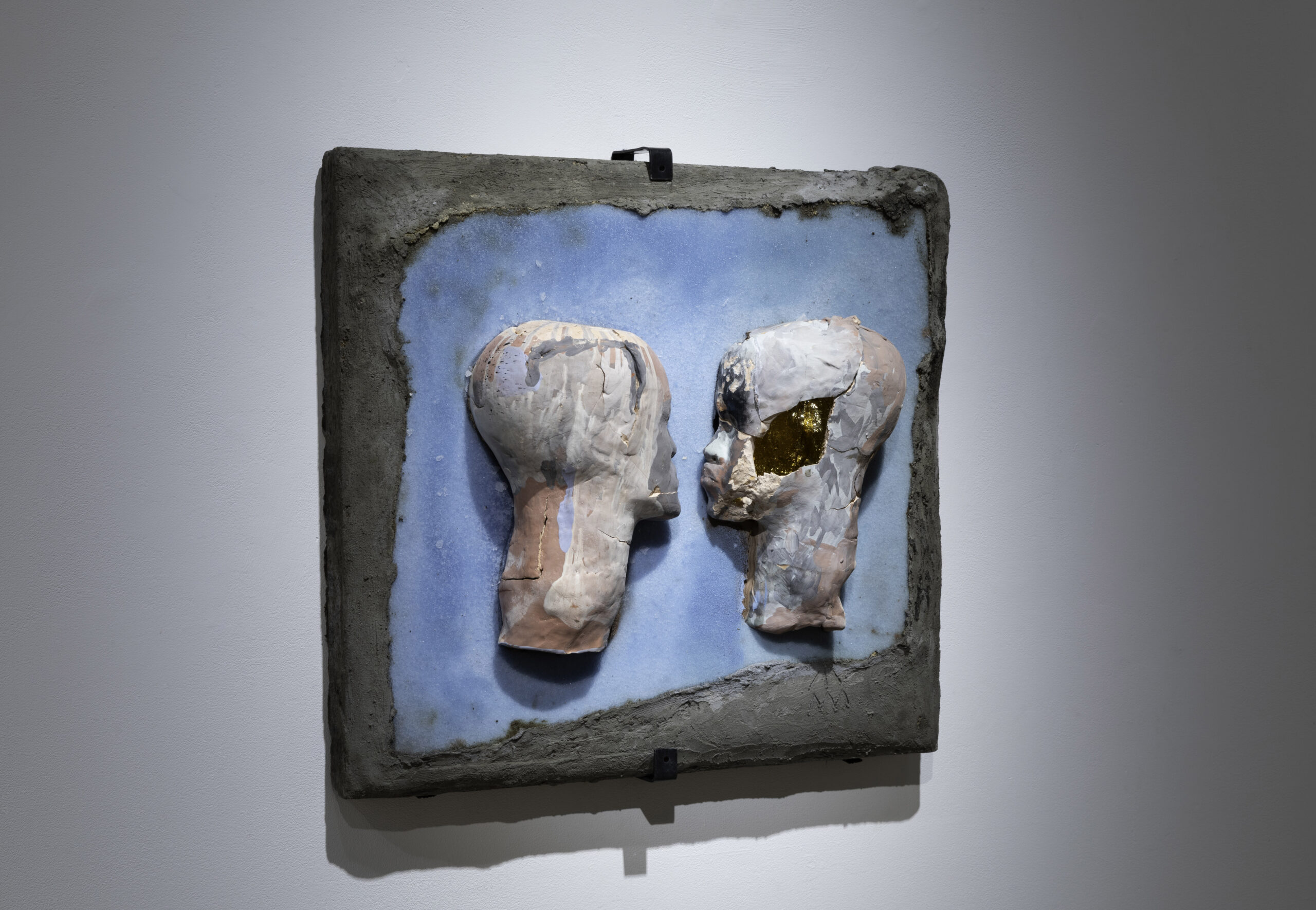
6. Some works invite us to slow down and experience sculpture through senses beyond sight tactility, proximity, or scale. How did sensory experience factor into your curatorial thinking, and how do these artists encourage us to sense the world and our place within it differently?
I wanted the exhibition to be felt as much as seen. Sculpture has this incredible ability to demand bodily awareness you have to move around it, lean in, sometimes even hold your breath. Yidan Kim’s olfactory and fluid works pull you into a sensory register that’s hard to intellectualise; Lucy Mulholland’s engagement with non‑human structures like wasp nests gently recentres intelligence outside the human; and Cornish’s walk‑around installation physically situates your body within geological time. These works slow you down. They ask you to sense your way through the world, not just analyse it which feels like a crucial recalibration right now.
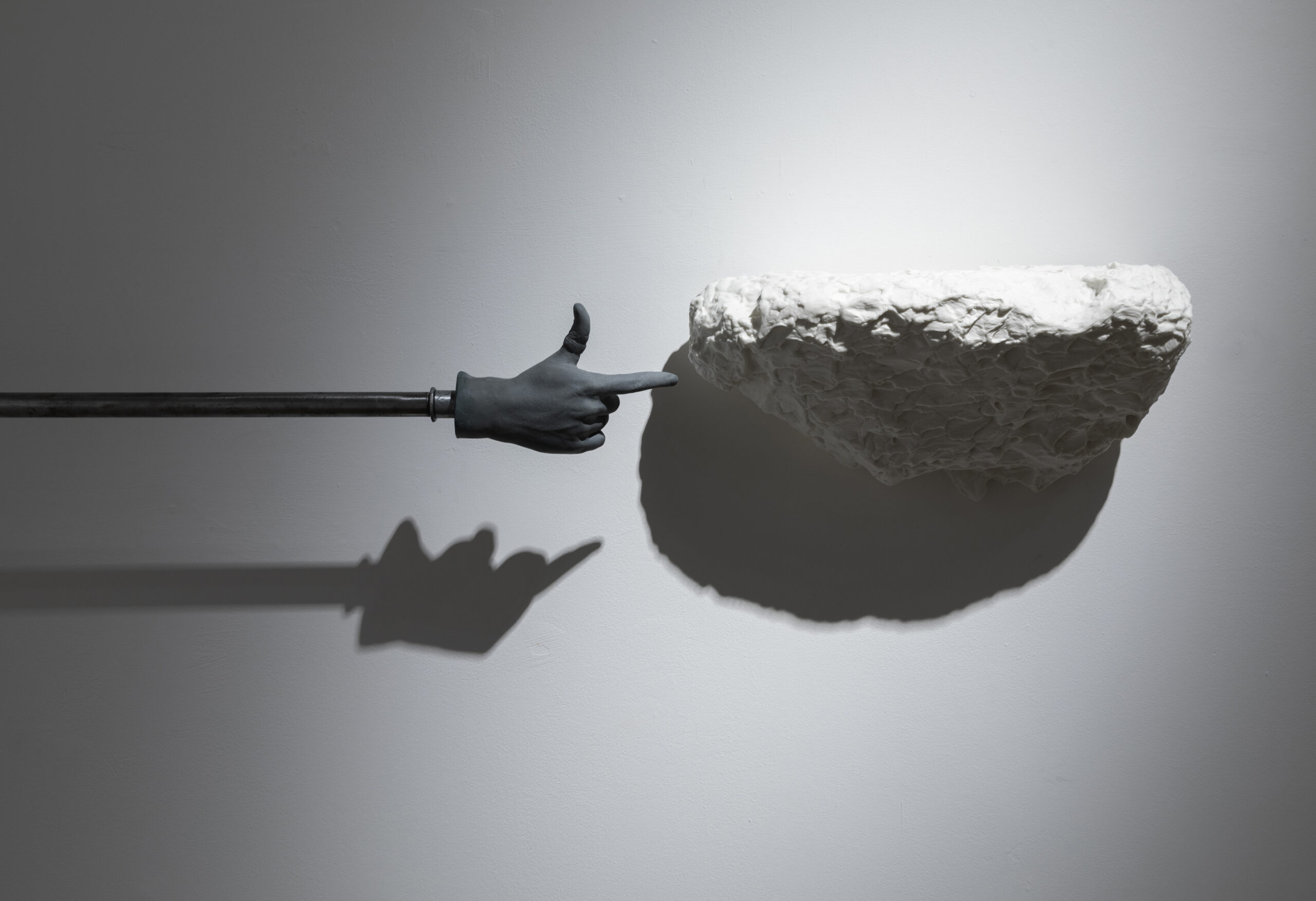
7. The Gilbert Bayes Award supports artists at a crucial early stage, when ideas are ambitious and practices are still evolving. What excited you most about working with this group of artists, and what do you hope the exhibition and the wider award offers them at this moment in their careers?
What excited me most was the ambition and the bravery of this group. These are artists who aren’t waiting until everything is resolved or perfected before asking big questions. Their practices are still evolving, and you can feel that aliveness in the work. I hope the exhibition and the Gilbert Bayes Award offer them space to test, to fail, to take risks and to be taken seriously while doing so. Early‑career moments like this can be formative, not because they define a practice, but because they affirm that complexity and curiosity are worth pursuing.
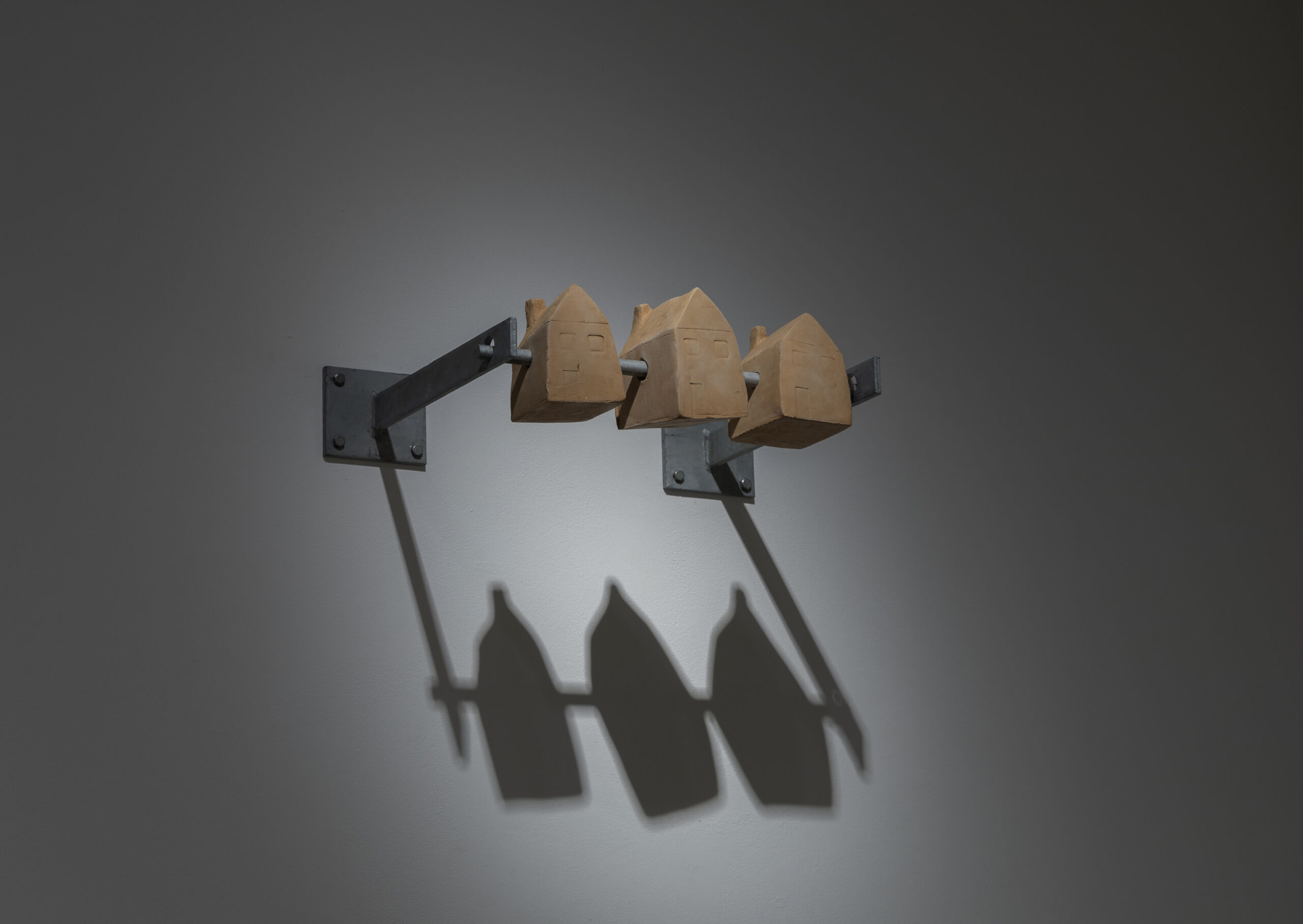
8. TM Gallery is a space shaped by close attention to light, material, and how work is encountered. How does presenting Terraforming Futures at TM Gallery shape the way these works are experienced, and why do context and care feel especially important when showing sculpture concerned with ecology, material, and future thinking?
TM Gallery’s intimacy really sharpened the experience of the work. In a smaller space, scale becomes relational works speak to each other, and to the viewer’s body, more directly. The light, the material sensitivity of the space, and the way you encounter each piece all amplify the exhibition’s concerns with care and attention. When you’re showing sculpture that engages with ecology and future thinking, context matters enormously. These works ask for time, proximity, and respect. TM Gallery allows that; it doesn’t rush you. And I think that gentleness, combined with the density of ideas in the show, creates a surprisingly powerful impact. Sometimes less space gives ideas more room to breathe.
Thank you for this opportunity this is the miracle of art. It has a unique voice that can shine light into the dark and allow us to address difficult territory through the power of storytelling . It offers us space for thought. Its subtle.